
Floor coatings
Industrial floor renovation
Repair the slab, deal with the old coating and get back to work quickly.
Flaking coating, cracked slab, damaged joints, faded marking: a worn industrial floor harms safety, cleanliness and the site’s image. Renovation starts with a diagnosis to decide between partial repair and full replacement.
COLOR HOME organises renovation zone by zone to limit the impact on your activity, from stripping to return to service.
Applications
- Flaking or worn epoxy floors
- Cracked or spalled slabs
- Damaged expansion joints
- Change of use of a zone
- Faded marking
Industrial floor renovation
How we work
Diagnosis
Existing adhesion, slab condition, moisture, cause of damage.
Stripping
Grinding or shot blasting to remove the old coating if needed.
Repairs
Cracks, holes, spalls and joints repaired.
New system
Primer and resin suited to the new use.
Marking
New traffic plan and signage.
Benefits
Diagnosis before decision
Partial or full renovation
Zone-by-zone phasing
Marking redone
Gallery
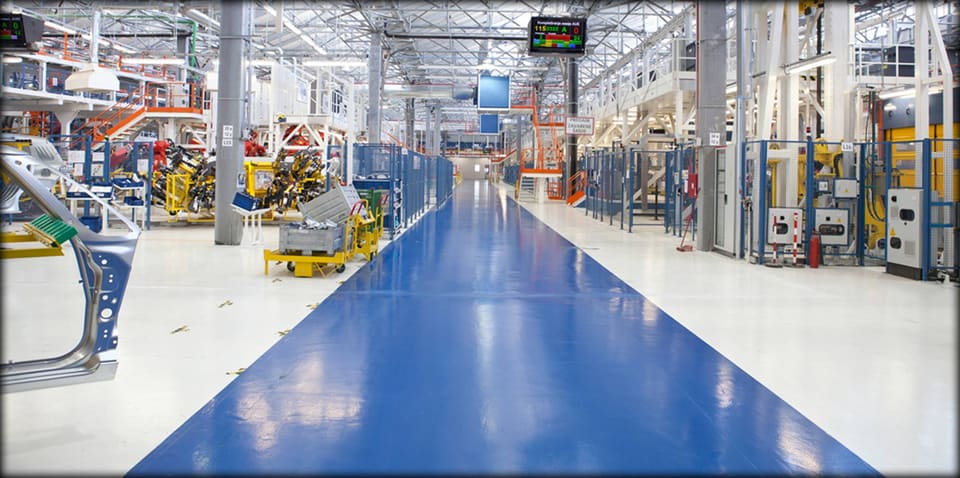
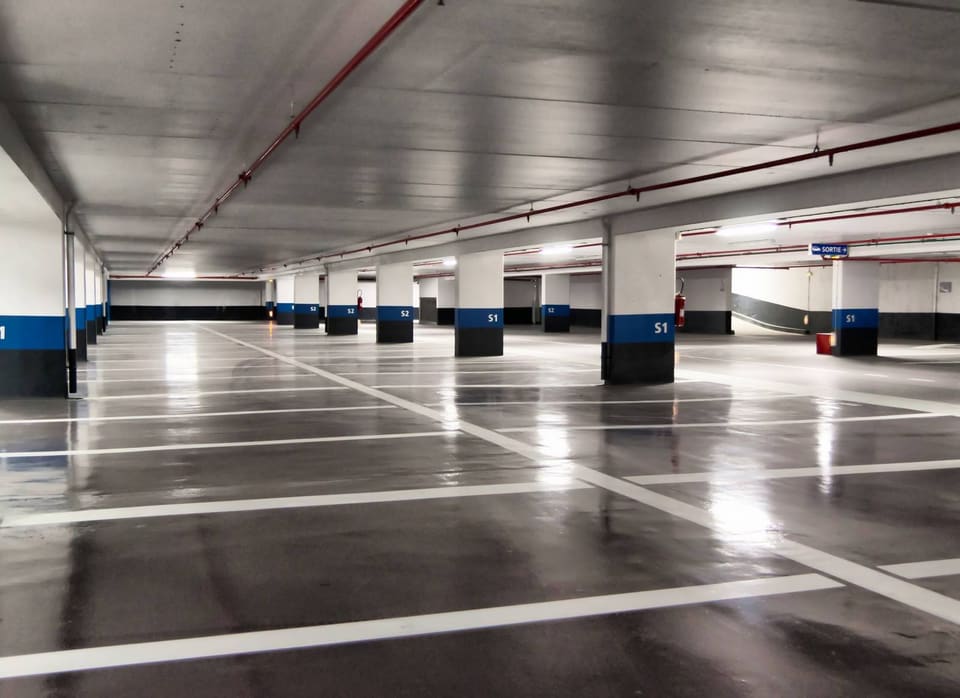
Industrial floor renovation — in pictures
Frequently asked questions
How is an industrial floor renovated?
Diagnosis, removal of loose areas, slab and joint repair, then a new resin system and marking. See our guide on the blog.
Can the old coating be covered over?
Yes if it is well bonded and compatible, after sanding. Otherwise it must be removed.
How long is the zone unavailable?
It depends on preparation and curing times; each zone is scheduled.
Further reading
Related services

Quote request
Free and with no obligation. We usually reply within 2 business days.
- 1. Project
- 2. Details
- 3. Contact